
Robotic-Assisted Knee Replacement
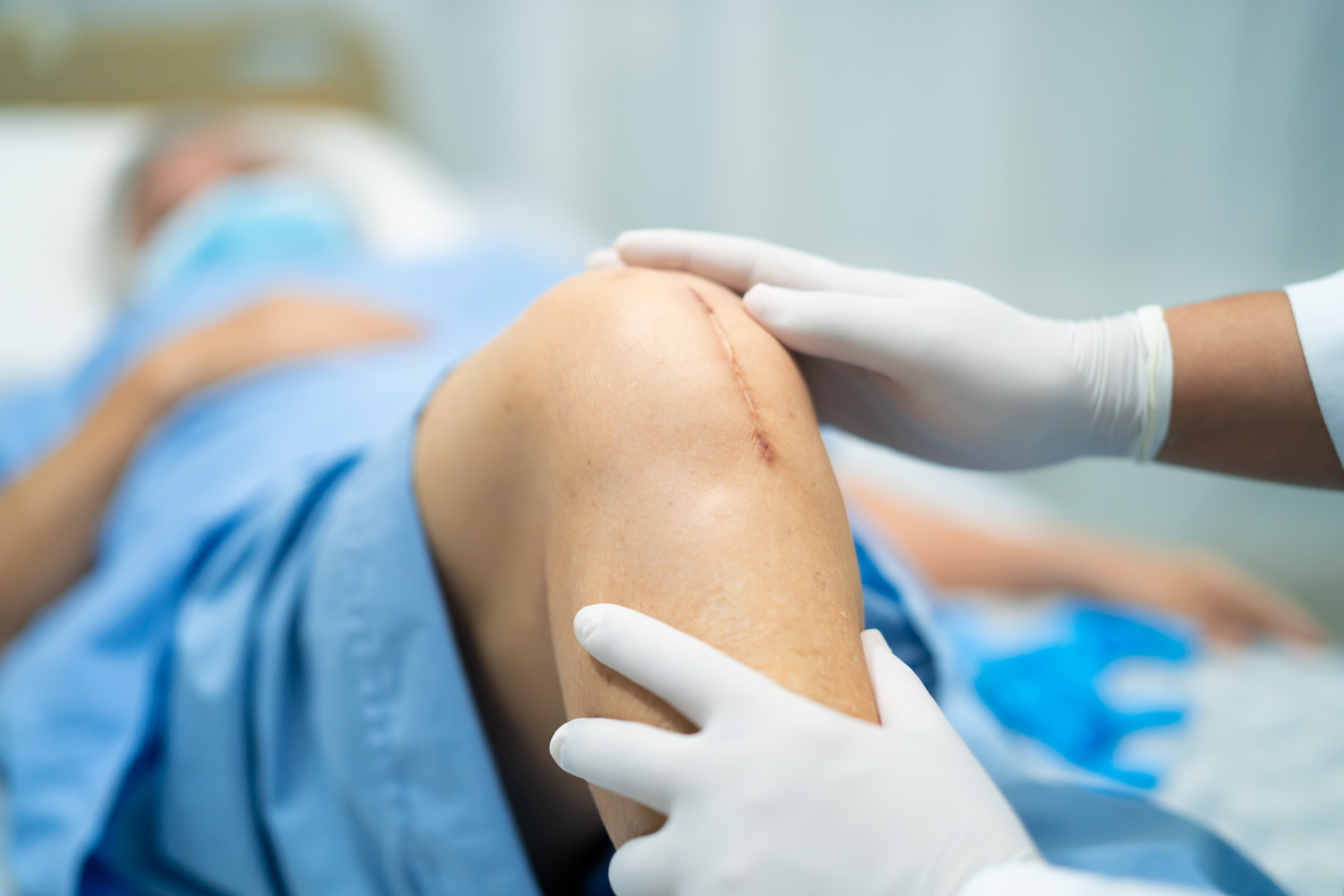
Advanced Technology for Knee Replacement Surgery
Knee problems can significantly affect mobility, comfort and independence. Conditions such as advanced arthritis, joint degeneration and severe knee damage may cause persistent pain, stiffness and difficulty walking. When conservative treatment options do not provide adequate relief, knee replacement surgery may be considered.
At ARVTA Hospital, Bidar, Robotic-Assisted Knee Replacement is one of our advanced orthopaedic services. The procedure combines surgical expertise with robotic-assisted technology to support detailed surgical planning and precision-focused execution.
Understanding Robotic-Assisted Knee Replacement
Robotic-assisted knee replacement is a surgical approach in which technology assists the surgeon during important stages of the procedure. It can support pre-operative planning and provide guidance during the operation.
The technology is used by the surgeon as a supporting tool. Surgical decisions and the procedure itself remain under the control of the operating surgeon.
The suitability of robotic-assisted surgery depends on factors such as the patient’s knee condition, anatomy, medical history and overall health.
When May Knee Replacement Be Considered?
A doctor may evaluate a patient for knee replacement when symptoms significantly affect daily activities and other treatment options have not provided sufficient improvement.
Common concerns include:
-
Persistent knee pain
-
Advanced knee arthritis
-
Joint stiffness and reduced movement
-
Difficulty walking or climbing stairs
-
Knee deformity associated with joint damage
-
Reduced ability to perform everyday activities
Laminar Flow Operation Theatre
ARVTA Hospital provides a Laminar Flow Operation Theatre to support its advanced surgical facilities. Laminar flow systems are designed to maintain controlled airflow conditions within the operating environment. This forms part of the hospital’s broader approach to providing an organised surgical setting.
Treatment and Recovery Journey
The treatment journey generally involves:
-
Orthopaedic consultation and knee assessment.
-
Relevant diagnostic investigations.
-
Evaluation of the patient’s suitability for surgery.
-
Surgical planning and procedure.
-
Post-operative monitoring and medical guidance.
-
Physiotherapy and rehabilitation as advised.
Recovery varies from patient to patient and depends on individual health, the procedure and rehabilitation progress.
A Focus on Better Knee Function
At ARVTA Hospital, robotic-assisted knee replacement is supported by orthopaedic expertise and modern surgical facilities. Our aim is to help suitable patients access appropriate treatment and work towards improved knee function and mobility.
Other Services
Get Expert Care at ARVTA Hospital
Connect with our team for advanced orthopaedic, neuro trauma and emergency care in Bidar.