Neuro Trauma and Head Injury Care
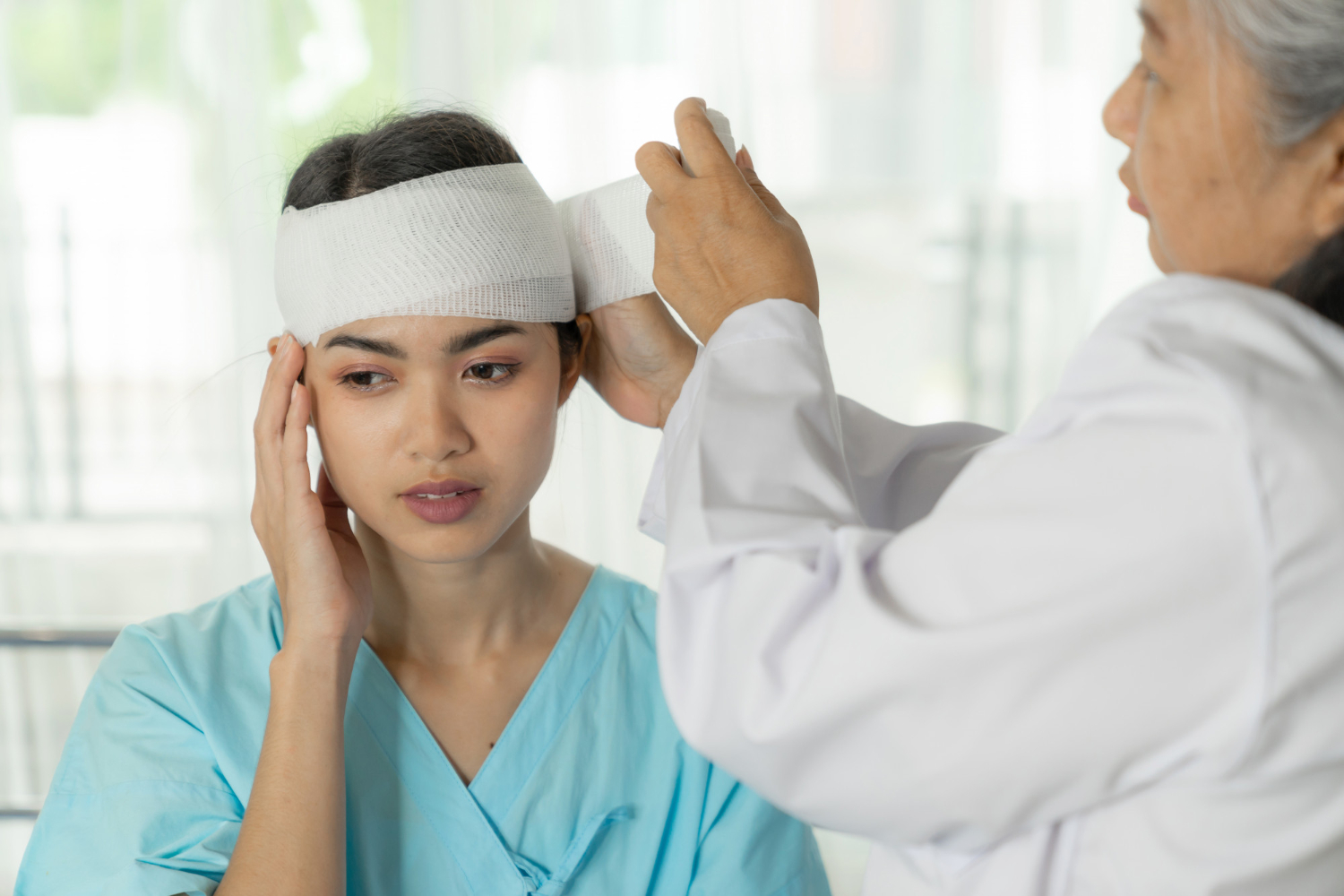
Timely Medical Attention for Head and Neurological Injuries
Head injuries and neuro trauma require careful medical assessment because they can affect the brain, nervous system and overall functioning of the body. These injuries may occur due to road accidents, falls, workplace incidents or other traumatic events. Depending on their severity, they can require immediate medical attention, diagnostic evaluation and specialised treatment.
At ARVTA Hospital, Bidar, Neuro Trauma and Head Injury Care forms an important part of our hospital’s focus on comprehensive trauma management. Our approach emphasises timely assessment, appropriate investigations and coordination of medical or surgical care according to the patient’s condition.
Understanding Neuro Trauma
Neuro trauma refers to injuries involving the brain, spinal cord or related neurological structures. The nature and severity of an injury can vary considerably. Some injuries may require observation and medical management, while others may need urgent specialist or surgical intervention.
Common situations requiring evaluation include:
Head injuries following road accidents
Injuries caused by falls
Suspected brain injuries
Loss of consciousness following trauma
Suspected skull or spinal injuries
Neurological symptoms after an accident
Recognising Warning Signs
After a head injury, certain symptoms may indicate a need for urgent medical evaluation. These include:
Severe or worsening headache
Repeated vomiting
Confusion or unusual behaviour
Loss of consciousness
Seizures
Weakness or difficulty moving
Problems with speech, balance or vision
A person with a suspected serious head injury should receive emergency medical attention. Do not wait for symptoms to become severe.
Diagnostic Evaluation and Treatment Planning
Medical evaluation may involve a physical and neurological examination, review of the injury history and appropriate imaging investigations. CT scanning may be recommended when clinically indicated to help assess injuries involving the head or other internal structures.
Treatment depends on the type and severity of the injury. It may involve observation, medical management, critical care support or neurosurgical intervention where required.
Coordinated Trauma Care
Neuro trauma management may involve coordination between emergency care, neurosurgery, diagnostic services and critical care teams. Prompt assessment and appropriate treatment planning are important parts of managing these cases.
Supporting Patients and Families
At ARVTA Hospital, we understand that neurological injuries can be stressful for patients and their families. Our focus is on timely medical evaluation, clear communication and appropriate care based on individual clinical needs.
Other Services
Get Expert Care at ARVTA Hospital
Connect with our team for advanced orthopaedic, neuro trauma and emergency care in Bidar.